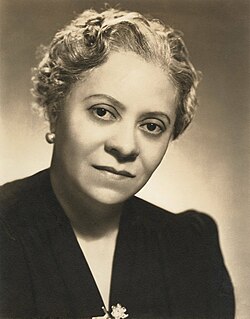
Piano Concerto in D Minor (In One Movement)
Florence Price composed the Piano Concerto in D Minor (also known as Piano Concerto in One Movement) in 1934. The work is in 3 sections, beginning with a moderato that opens with a brief orchestral introduction followed by a piano cadenza. The next section is an adagio with a lyrical theme, followed by the final allegretto section, apparently modelled after African-American Juba dance, a style which originated from enslaved people on plantations in the United States.
This concerto was performed by Price herself as part of the 1934 commencement programme at the Chicago Music College, where she was met with critical acclaim. Several of her works, including the Piano Concerto in One Movement, were played by the Women’s Symphony Orchestra of Chicago, resulting in a long-term partnership between Price and the Orchestra that helped her to gain recognition. Her Piano Concerto would go on to be performed by other major symphonies within her lifetime, including the Chicago Symphony and the Michigan Works Progress Administration Orchestra.
Unfortunately, the upheaval of the Second World War led to the disbanding and pausing of many womens' orchestras. This caused a decline in interest and performances of Price’s work. Additionally, after Price’s death in 1953 at the age of 66, much of her music, including the full score of this Piano Concerto, was either lost or scattered. One of her daughters inherited the summer home where Florence would compose and play the piano. She had been in contact with the University of Arkansas to build her mother’s archives, however, that connection was lost after her own death in 1975.